Hemlock is a name used for two very different plants: a highly toxic herbaceous plant known as poison hemlock and a valuable evergreen tree, the eastern hemlock. Understanding the critical differences between these species is essential for safety and for appreciating the ecological role of these plants in North America and Europe.
Table of Contents
- Understanding the Two Faces of Hemlock
- Poison Hemlock: A Lethal Wild Plant
- Eastern Hemlock: A Foundation Species Under Threat
- Managing and Conserving Hemlock in the Wild
- Frequently Asked Questions
- Comparison: Poison Hemlock vs. Eastern Hemlock
- Practical Tips for Safety and Conservation
- Final Thoughts on Hemlock
- Useful Resources
Hemlock refers to two distinct plants: poison hemlock, a deadly invasive herb, and eastern hemlock, a critical forest tree. This guide explains how to identify poison hemlock, details its toxicity, and explores the ecological importance of eastern hemlock, which is threatened by the hemlock woolly adelgid. We also cover management strategies and safety tips.
- Poison hemlock toxicity is estimated to be lethal at doses of 150–300 milligrams of coniine (National Library of Medicine, 2024)[1].
- Clinical symptoms of poison hemlock ingestion typically begin within 60–90 minutes (National Library of Medicine, 2024)[1].
- In the eastern United States, hemlock woolly adelgid has caused significant damage to hemlocks across the eastern two‑thirds of the country where the species occurs (Penn State Extension, 2025)[2].
- Imidacloprid soil treatments can provide systemic protection for hemlock trees against hemlock woolly adelgid for approximately 5–7 years (Penn State Extension, 2025)[2].
Understanding the Two Faces of Hemlock
The term hemlock is a source of significant confusion. It refers to two entirely different plants from separate families with vastly different characteristics. One is a notorious poison, and the other is a keystone species of North American forests. This guide aims to clarify these distinctions, providing a comprehensive resource for anyone looking to identify these plants, understand their risks, or learn about their ecological roles. Whether you are a hiker, a gardener, or a conservation enthusiast, knowing the difference between poison hemlock and eastern hemlock is a matter of safety and environmental awareness.
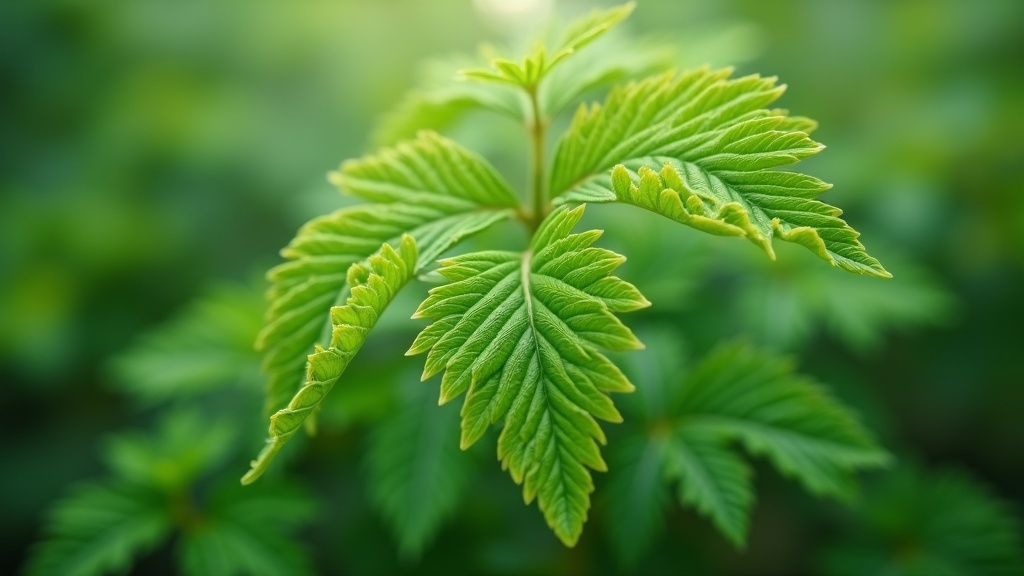
Poison hemlock (Conium maculatum) is a biennial herbaceous plant from the Apiaceae family, infamous for its toxicity and its historical use in executing the philosopher Socrates. It is an invasive species in many parts of the world, including North America. In contrast, eastern hemlock (Tsuga canadensis) is a long-lived evergreen tree native to eastern North America. It is a foundation species that shapes its entire ecosystem. The visual differences are stark: poison hemlock has fern-like leaves, a smooth green stem with purple spots, and clusters of small white flowers, while eastern hemlock has short, flat needles and small, woody cones. Recognizing these differences is the first step in staying safe and appreciating the natural world.
Poison Hemlock: A Lethal Wild Plant
Poison hemlock is one of the most dangerous plants found in the wild. All parts of the plant contain potent alkaloids, including coniine, which are toxic to humans and animals. Ingestion can lead to rapid and severe symptoms. As Dr. Ingrid H. Johansen, an Emergency Medicine Physician and Toxicology Researcher at the University Hospital of North Norway, notes, “Poison hemlock remains one of the most dangerous wild plants in Europe, and even small amounts can cause rapid-onset neuromuscular paralysis and respiratory failure”[1]. The estimated fatal dose of the alkaloid coniine is 150–300 milligrams (National Library of Medicine, 2024)[1].
Identifying poison hemlock is crucial for preventing accidental poisoning. The plant can grow up to 8 feet tall and is often found in moist areas like roadsides, ditches, and stream banks. Its stems are hollow and marked with distinctive purple or reddish spots. The leaves are finely divided, fern-like, and have a strong, unpleasant smell when crushed, often described as musty or like mouse urine. In its second year, it produces umbrella-shaped clusters of small, white flowers. The toxicity of the plant can vary, with the highest concentration of alkaloids occurring during dry, sunny seasons (National Library of Medicine, 2024)[1]. This makes it even more hazardous during typical late-summer conditions.
Symptoms of poisoning can appear quickly, typically within 60–90 minutes of ingestion, though they can be delayed up to four hours (National Library of Medicine, 2024)[1]. Initial signs include a burning sensation in the mouth, increased salivation, and dilated pupils. This progresses to muscle weakness, tremors, and seizures. The most dangerous effect is respiratory paralysis, which can be fatal without prompt medical intervention. In severe cases, neurologic and autonomic symptoms may persist for 24–72 hours or longer (National Library of Medicine, 2024)[1]. If you suspect someone has ingested poison hemlock, it is a medical emergency. Call emergency services immediately. Do not wait for symptoms to appear.
Eastern Hemlock: A Foundation Species Under Threat
Eastern hemlock is a majestic evergreen tree that plays a vital role in the forests of eastern North America. It is a foundation species, meaning its presence shapes the entire ecosystem. Its dense shade creates a unique microclimate that supports a variety of plants and animals. As Dr. David R. Orwig, Senior Ecologist at Harvard Forest, explains, “Eastern hemlock is a foundation species in New England forests, and the loss of hemlock to hemlock woolly adelgid will fundamentally and irreversibly alter forest structure and function”[3]. The tree provides critical habitat for species like the black-throated green warbler and influences stream temperatures, benefiting native trout.
The primary threat to eastern hemlock is an invasive insect: the hemlock woolly adelgid (HWA). This small, aphid-like insect feeds on the sap at the base of the needles, causing them to dry out and fall off. A severe infestation can kill a tree within 4–10 years. The pest has spread across the eastern two‑thirds of the hemlock’s range (Penn State Extension, 2025)[2]. The impact is visible from the ground and the air. In experimental plots in the Catskills, sites with greater HWA infestation showed visibly thinner hemlock canopies (Cary Institute of Ecosystem Studies, 2024)[4]. The loss of these trees has cascading effects on the entire forest. As Dr. Aaron M. Ellison, Senior Research Fellow at Harvard Forest, puts it, “When eastern hemlock disappears from a forest, the entire ecosystem reorganizes – from the species of birds that nest there to the insects in the soil and the chemistry of nearby streams”[3].
Efforts to manage HWA are ongoing and multifaceted. The USA National Phenology Network produces seasonal forecasts to predict when conditions become suitable for HWA activity, helping land managers plan their interventions (USA National Phenology Network, 2025)[5]. For many eastern forests, the challenge is significant. Dr. Elizabeth McGowan, a Forest Entomologist with the U.S. Forest Service, notes, “For many eastern forests, the question is no longer whether hemlock woolly adelgid will arrive, but how quickly we can deploy integrated management to keep hemlock on the landscape”[6].
Identifying Eastern Hemlock
Identifying eastern hemlock is straightforward once you know what to look for. Unlike poison hemlock, it is a tree with needles and cones. Its needles are short (about half an inch long), flat, and dark green on top with two white stripes on the underside. They are attached to the twig in a flat, spray-like arrangement. The bark is brown and deeply furrowed. The small, oval cones are about three-quarters of an inch long and hang from the tips of the branches. For a more comprehensive guide to identifying this tree and other conifers, you can explore the tree identification resources available on our site.
Managing and Conserving Hemlock in the Wild
Management strategies for the two types of hemlock are entirely different. For poison hemlock, the priority is control and eradication to protect human and animal health. For eastern hemlock, the focus is on conservation and protection from the hemlock woolly adelgid. Poison hemlock is a biennial that reproduces only by seed. Control methods include manually removing the plants (wearing protective gear) before they flower, applying herbicides, and encouraging competitive native vegetation. It is crucial to dispose of the plants carefully, as they remain toxic.
For eastern hemlock, the main management tool is chemical treatment. Tom Martin, a Forest Health Specialist at Penn State Extension, emphasizes, “In most of Pennsylvania, if you have hemlock and you are not treating for hemlock woolly adelgid, you should assume the trees are at risk”[2]. Two common insecticides are used: imidacloprid and dinotefuran. Imidacloprid is applied to the soil and can provide protection for 5–7 years (Penn State Extension, 2025)[2]. Dinotefuran is applied as a foliar spray or soil drench and typically provides about one year of protection (Penn State Extension, 2025)[2]. These treatments are most effective on healthy trees.
Biological control is another avenue of research. Predatory beetles, such as Laricobius species, have been released as biological control agents against HWA for roughly 20 years, but they have not yet provided consistent landscape-level control (Penn State Extension, 2025)[2]. This highlights the difficulty of managing a widespread invasive pest. The long-term health of eastern hemlock forests will likely depend on a combination of chemical treatments in high-value areas, biological control, and the potential for the trees to develop some level of natural resistance. Understanding these challenges is key to supporting conservation efforts.
Frequently Asked Questions
What is the difference between poison hemlock and eastern hemlock?
These are two completely different plants. Poison hemlock (Conium maculatum) is a toxic herbaceous plant in the carrot family, with fern-like leaves, purple-spotted stems, and white flowers. It is an invasive weed. Eastern hemlock (Tsuga canadensis) is a large, long-lived evergreen tree native to North America, with short, flat needles and small cones. It is a valuable forest species. The key difference is that one is a poisonous herb and the other is a tree.
How can I identify poison hemlock safely?
To identify poison hemlock safely, avoid touching the plant. Key features include a tall, branching stem (up to 8 feet) that is hollow and has purple or reddish spots. The leaves are fern-like, and the plant produces umbrella-shaped clusters of small white flowers. It often grows in moist, disturbed areas. If you need to remove it, wear gloves, long sleeves, and eye protection. Never burn the plant, as the smoke can also be toxic. If you are unsure, take a clear photo from a safe distance and consult a local extension service or a botany expert.
What should I do if I or my pet ingests poison hemlock?
Ingesting poison hemlock is a severe medical emergency for both humans and pets. Do not wait for symptoms to appear. Call your local emergency number (like 911 in the US) or a poison control center immediately. For humans in the US, call Poison Control at 1-800-222-1222. For pets, contact your veterinarian or an emergency animal hospital immediately. Try to identify the plant to confirm the exposure, but prioritize getting medical help. Symptoms can begin within 60–90 minutes and include muscle weakness, tremors, and respiratory failure.
Can I save my hemlock tree from hemlock woolly adelgid?
Yes, you can save your hemlock tree, especially if it is treated early. The most effective treatments are systemic insecticides applied to the soil. Imidacloprid can protect a tree for 5–7 years, while dinotefuran provides about one year of protection. Treatment is most successful on trees that are not already severely stressed. It is best to consult with a certified arborist or your local extension service to determine the best treatment plan for your tree. Preventative treatment is also an option if HWA is known to be in your area.
Comparison: Poison Hemlock vs. Eastern Hemlock
Understanding the differences between these two plants is critical for safety and conservation. The table below summarizes their key characteristics, making it easy to tell them apart at a glance. This comparison highlights why the term hemlock can be so confusing and why accurate identification is paramount.
| Feature | Poison Hemlock (Conium maculatum) | Eastern Hemlock (Tsuga canadensis) |
|---|---|---|
| Type of Plant | Herbaceous biennial (weed) | Evergreen tree |
| Leaves | Fern-like, finely divided | Short, flat needles with white stripes underneath |
| Stem | Hollow, smooth, with purple spots | Brown, woody, furrowed bark |
| Flowers/Cones | Small, white, umbrella-shaped clusters | Small, woody, oval cones |
| Height | Up to 8 feet tall | Can exceed 100 feet tall |
| Toxicity | Highly toxic to humans and animals | Not toxic |
| Ecological Role | Invasive weed | Foundation species in forests |
Practical Tips for Safety and Conservation
Whether you are dealing with poison hemlock or caring for an eastern hemlock, these practical tips will help you act effectively. For poison hemlock, the golden rule is never touch or ingest any part of the plant. If you find it on your property, wear full protective gear including gloves and a face mask for removal. Pull the plant from the root, place it in a sealed plastic bag, and dispose of it in the trash, not in compost. Monitor the area for regrowth, as the seed bank can persist for several years.
For eastern hemlock conservation, the best approach is early detection and treatment. Inspect your trees annually in late winter or early spring for the tell-tale white, woolly masses of the adelgid at the base of the needles. If you find them, contact a local arborist or your forest health resources to discuss treatment options. Maintaining tree health through proper watering and mulching can also help them withstand an infestation. For a deeper dive into the ecological impact of invasive species, you can read this overview of invasive species management from the U.S. Forest Service. Remember, preserving eastern hemlock is not just about saving a single tree; it’s about protecting an entire ecosystem.
Final Thoughts on Hemlock
Understanding the world of hemlock is a lesson in contrast. One plant, poison hemlock, demands our utmost caution due to its lethal toxicity. The other, the eastern hemlock tree, deserves our dedicated conservation efforts to ensure its survival against a devastating invasive pest. By learning to identify these plants correctly, you can protect yourself and contribute to the health of our forests. The future of eastern hemlock depends on informed action from landowners, conservationists, and communities. To learn more about protecting your local environment and identifying other important plant species, explore the range of guides available on connectivityproducts.
Useful Resources
- Acute Intoxication With Poison Hemlock (Conium maculatum). National Library of Medicine (Journal article in Medicina).
https://pmc.ncbi.nlm.nih.gov/articles/PMC12005235/ - Eastern Hemlock Health Update. Penn State Extension.
https://extension.psu.edu/eastern-hemlock-health-update - Hemlock: A Forest Giant on the Edge – 10 Years On. Harvard Forest, Harvard University.
https://harvardforest.fas.harvard.edu/news/hemlock-forest-giant-edge-10-years - Tracking the Long-Term Decline of Eastern Hemlock in the Northeast. Harvard Forest, Harvard University.
https://harvardforest.fas.harvard.edu/news/tracking-long-term-decline-eastern-hemlock-northeast - Tracking Hemlock Health Across the Catskills. Cary Institute of Ecosystem Studies.
https://www.caryinstitute.org/news-insights/feature/tracking-hemlock-health-across-catskills - USA National Phenology Network Hemlock Woolly Adelgid Forecasts.
https://www.usanpn.org/data/maps/forecasts/hemlock_woolly_adelgid - US Forest Service Updates Strategy for Hemlock Woolly Adelgid. U.S. Forest Service.
https://www.fs.usda.gov/research/story/us-forest-service-updates-strategy-hemlock-woolly-adelgid
For more about Hemlock, see Hemlock.