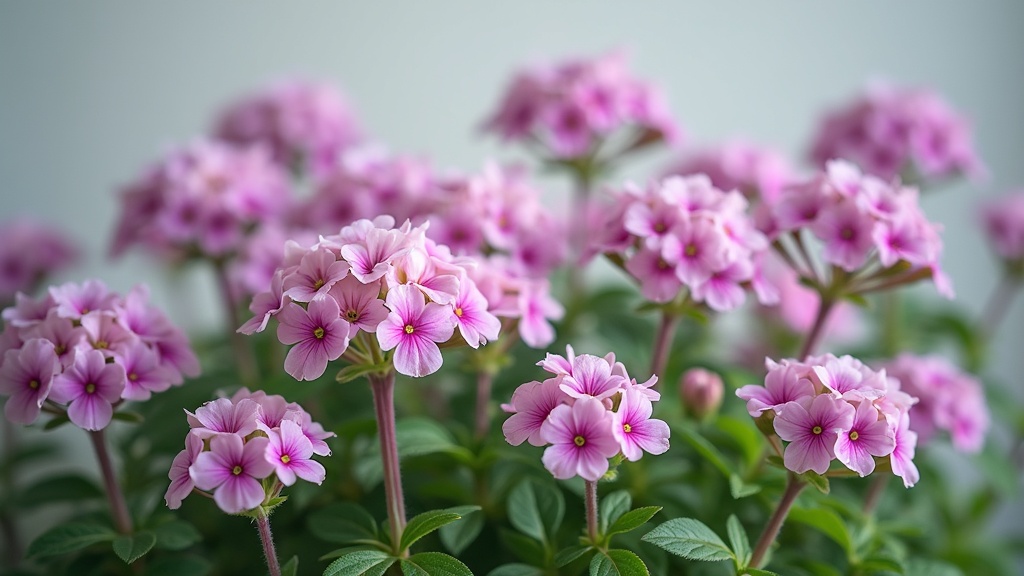
Discover everything you need to know about growing creeping phlox plants, from planting and care to troubleshooting common issues. This guide covers ideal conditions, maintenance tips, and design ideas for using this versatile ground cover in your landscape.
Table of Contents
- What Is Creeping Phlox?
- Planting and Soil Requirements
- Care and Maintenance
- Landscaping With Creeping Phlox
- Frequently Asked Questions
- Creeping Phlox vs. Other Ground Covers
- Practical Tips for Success
- Key Takeaways
- Further Reading
Quick Stats: Creeping Phlox
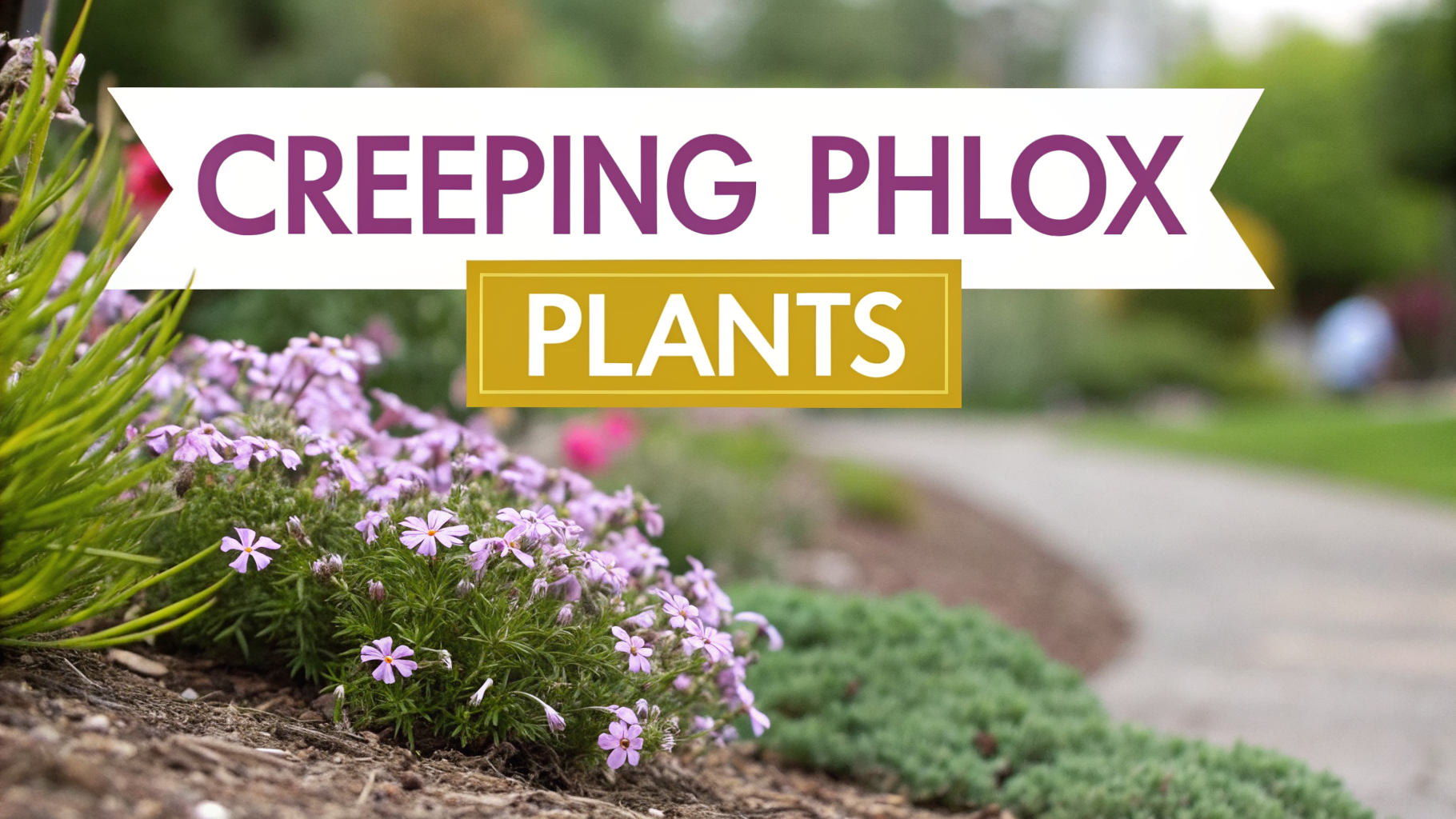
- Native range: 29 US states and 5 Canadian provinces (The Plant Native, 2025)
- Mature height: up to 6 inches tall (NC State University, 2024)
- Spread: 2 to 3 feet wide per plant (NC State University, 2024)
- Recommended spacing: 12 to 18 inches apart (American Meadows, 2025)
What Is Creeping Phlox?
Creeping phlox plants are low-growing perennials that form a dense mat of foliage, typically reaching only 6 inches tall but spreading 2 to 3 feet wide (NC State University, 2024)[1]. They are semi-evergreen, meaning they retain some leaves through winter in milder climates. The Plant Native classifies them as a semi-evergreen native perennial (The Plant Native, 2025)[2].
These plants are native to a broad swath of North America, found in 29 US states and 5 Canadian provinces (The Plant Native, 2025)[2]. This wide native range makes them well-adapted to various climates and soil types, from rocky slopes to sandy plains. Their spring bloom period produces a carpet of small, five-petaled flowers in shades of pink, purple, white, and blue.
NC State University Plant Toolbox describes moss phlox as a “spring-blooming herbaceous perennial that has a dense, spreading, mat-forming habit” (NC State University Plant Toolbox, 2024)[1]. This growth pattern makes creeping phlox plants an excellent ground cover for slopes, banks, and areas where grass is difficult to maintain.
Beyond their ornamental value, creeping phlox plants play an important ecological role. They provide early-season nectar for pollinators such as bees and butterflies. Their dense root system also helps stabilize soil on slopes, reducing erosion. For gardeners looking to incorporate native plants into their landscape, creeping phlox is a reliable and attractive option.
Planting and Soil Requirements
Creeping phlox plants prefer moist, well-drained, humus-rich soil and full sun (NC State University Plant Toolbox, 2024)[1]. However, they are remarkably adaptable. The same source notes that they “like sandy and gravelly soil and can tolerate hot and dry conditions better than other species of phlox” (NC State University Plant Toolbox, 2024)[1].
The Plant Native echoes this sentiment, stating: “In its dream scenario, it’d have well-drained, mildly rich soil. In reality, it’ll grow in rocky, sandy, gravelly, even poor soil, as long as it drains” (The Plant Native, 2025)[2]. This tolerance makes creeping phlox plants a forgiving choice for gardeners dealing with challenging soil conditions.
When planting, space your creeping phlox plants 12 to 18 inches apart to allow for spreading (American Meadows, 2025)[3]. This spacing gives each plant enough room to develop its full 2- to 3-foot spread without overcrowding. Plant in spring after the last frost or in early fall to allow roots to establish before winter.
To prepare the planting site, loosen the soil to a depth of 6-8 inches and mix in organic matter such as compost if the soil is heavy clay. While creeping phlox plants tolerate poor soil, improving drainage will promote healthier growth. After planting, water thoroughly and apply a thin layer of mulch to retain moisture and suppress weeds.
Care and Maintenance
Once established, creeping phlox plants are remarkably low-maintenance. American Meadows describes them as “a low-maintenance marvel” (American Meadows, 2025)[3]. This ease of care makes them a favorite among both novice and experienced gardeners.
Watering needs are moderate. During the first growing season, water regularly to help the roots establish. After that, creeping phlox plants are drought-tolerant and only need supplemental watering during prolonged dry spells. Overwatering can lead to root rot, especially in heavy soil.
Fertilization is minimal. A light application of a balanced, slow-release fertilizer in early spring can encourage more vigorous growth and blooming. However, in most soils, creeping phlox plants perform well without additional feeding. Too much nitrogen can produce excessive foliage at the expense of flowers.
Pruning is simple. After the spring bloom, trim back the spent flower stems to tidy the plant and encourage a second flush of growth. Some gardeners give the entire patch a light shearing to rejuvenate the foliage. In late fall, remove any dead or diseased leaves to reduce the risk of fungal diseases.
Creeping phlox plants are generally pest-resistant, but occasional issues include spider mites and powdery mildew. Good air circulation and proper spacing help prevent these problems. If you notice signs of disease, consult your local extension service or refer to a comprehensive plant care guide for specific treatments.
Landscaping With Creeping Phlox
Creeping phlox plants are versatile design elements in any landscape. Their low, spreading habit makes them ideal for rock gardens, where they cascade over stones and soften hard edges. They also excel as border plants along pathways and driveways, creating a colorful edge that spills onto hard surfaces.
On slopes and banks, creeping phlox plants serve a dual purpose: they provide visual interest while controlling erosion. Their dense root system holds soil in place, making them a practical choice for challenging terrain. For homeowners with steep slopes, planting creeping phlox can reduce the need for mowing and prevent soil loss during heavy rains.
Creeping phlox plants also work well in mixed perennial beds. Plant them in front of taller perennials such as coneflowers, black-eyed Susans, or ornamental grasses. Their spring bloom provides early color, while the foliage remains attractive throughout the growing season as a green carpet beneath later-blooming plants.
For a naturalized look, combine creeping phlox plants with other native ground covers like wild ginger, foamflower, or pussytoes. This creates a low-maintenance, ecologically diverse planting that supports local pollinators. When planning a native garden, check with your local native plant finder for species that pair well in your region.
Container gardening is another option. Creeping phlox plants spill over the edges of pots and window boxes, softening the container’s lines. Use a well-draining potting mix and ensure the container has drainage holes. In colder climates, move containers to a sheltered location or provide winter protection.
Important Questions About Creeping Phlox
How tall does creeping phlox grow?
Creeping phlox plants typically reach a mature height of about 6 inches (NC State University, 2024)[1]. This low profile makes them an excellent ground cover that won’t block views or overwhelm other plants. Their height is consistent across most varieties, though some cultivars may be slightly shorter or taller.
When does creeping phlox bloom?
Creeping phlox plants bloom in spring. NC State University identifies moss phlox as a “spring-blooming herbaceous perennial” (NC State University Plant Toolbox, 2024)[1]. The exact timing depends on your climate and local weather conditions. In warmer regions, blooms may appear as early as March, while in cooler areas, April or May is more typical. The bloom period lasts several weeks, creating a stunning display.
Does creeping phlox need full sun?
Yes, creeping phlox plants grow best in full sun. American Meadows lists a “full sun location preference” as ideal (American Meadows, 2025)[3]. They can tolerate light shade, but flowering will be reduced. In full sun, the plants produce the densest mat of foliage and the most abundant blooms. For best results, choose a site that receives at least 6 hours of direct sunlight daily.
How far apart should I plant creeping phlox?
Space creeping phlox plants 12 to 18 inches apart to allow them to spread and fill in (American Meadows, 2025)[3]. This spacing gives each plant enough room to develop its full 2- to 3-foot spread without overcrowding. For faster coverage, plant at the closer end of the range. For a more natural look or if you’re on a budget, use the wider spacing and let the plants fill in over time.
Creeping Phlox vs. Other Ground Covers
When choosing a ground cover, it helps to compare creeping phlox plants with other popular options. Each has unique strengths depending on your site conditions and design goals. The table below highlights key differences.
| Feature | Creeping Phlox | Creeping Thyme | Pachysandra | English Ivy |
|---|---|---|---|---|
| Sun requirement | Full sun | Full sun | Shade | Shade to part sun |
| Mature height | 6 inches | 2–4 inches | 6–12 inches | 6–8 inches |
| Bloom season | Spring | Summer | Spring | None (foliage only) |
| Native range | 29 US states, 5 Canadian provinces | Europe (not native to North America) | Eastern US, Asia | Europe, Western Asia |
| Maintenance | Low | Low | Low | Moderate (can be invasive) |
For sunny slopes and rock gardens, creeping phlox plants are hard to beat. They combine early-season color, native ecological value, and low maintenance in one package. If you need a shade-tolerant ground cover, pachysandra is a better choice. For a fragrant summer-blooming option, consider creeping thyme.
Practical Tips for Success
Follow these actionable tips to get the most from your creeping phlox plants:
- Prepare the soil well. Even though creeping phlox plants tolerate poor soil, taking time to improve drainage and add organic matter will reward you with healthier, faster-spreading plants. Remove weeds before planting to reduce competition.
- Water deeply but infrequently. Once established, creeping phlox plants are drought-tolerant. Deep watering encourages deep root growth, making the plants more resilient. Avoid overhead watering late in the day to reduce the risk of powdery mildew.
- Divide every 3-4 years. To rejuvenate older patches and prevent the center from dying out, divide creeping phlox plants in early spring or after flowering. Replant divisions in fresh soil or share them with friends.
For more detailed advice on caring for your ground covers, browse the gardening articles and resources available on our site.
Key Takeaways
Creeping phlox plants are a versatile, low-maintenance ground cover that thrives in full sun and well-drained soil. Native to a wide area of North America, they provide spring color, support pollinators, and control erosion on slopes. By following proper planting and care practices, you can enjoy a vibrant carpet of flowers year after year. For more inspiration and detailed guides, explore the resources available on connectivityproducts.
Further Reading
- Phlox subulata – Plant Toolbox. NC State University.
https://plants.ces.ncsu.edu/plants/phlox-subulata/ - Creeping Phlox: A Beginner’s Growing Guide. The Plant Native.
https://theplantnative.com/plant/phloxes/phlox/ - Creeping Phlox Plants | Spring Ground Cover. American Meadows.
https://www.americanmeadows.com/collections/perennial-plants-creeping-phlox
For more about Creeping phlox plants, see Creeping Phlox Plants.