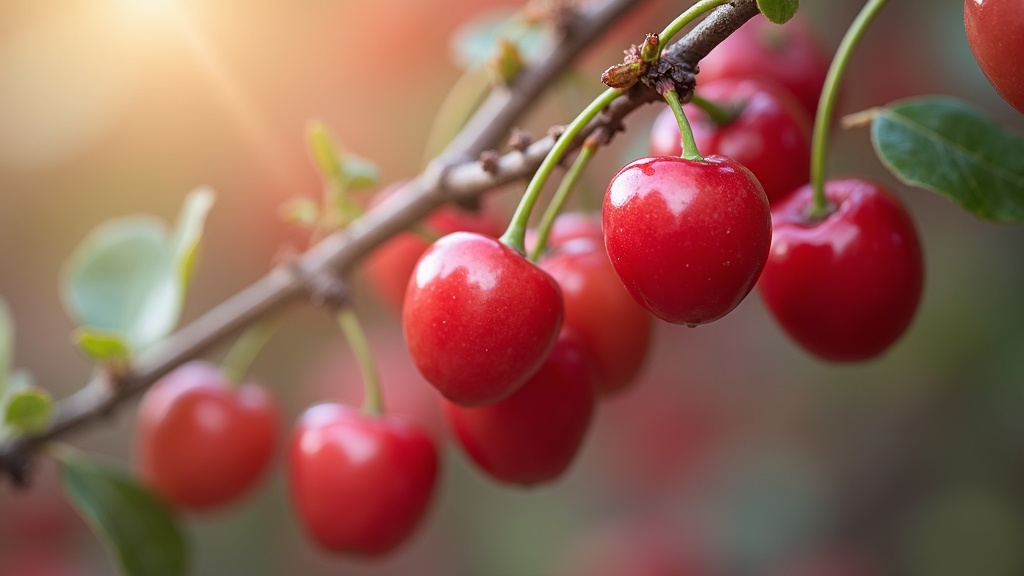
Learn how to select, plant, and care for ornamental cherries in your landscape. This guide covers top cultivars, common diseases, and expert tips for extending the life of your flowering cherry trees.
Table of Contents
- Choosing the Right Ornamental Cherry
- Planting and Site Preparation
- Ongoing Care and Maintenance
- Common Pests and Diseases
- Frequently Asked Questions
- Comparison: Popular Ornamental Cherry Cultivars
- Practical Tips for Success
- Final Thoughts on Ornamental Cherries
Ornamental cherries are spring-flowering trees prized for their stunning blossoms. They are relatively short-lived, require well-drained soil and full sun, and benefit from careful cultivar selection. Proper planting and disease management are key to maximizing their landscape lifespan.
- The New York Botanical Garden maintains 543 individual flowering cherry trees in its collection (New York Botanical Garden, 2025)[1]
- Most ornamental cherry cultivars are suitable for USDA hardiness zones 5-8 (IR-4 Project, North Carolina State University, 2024)[2]
- Ornamental cherry trees in home landscapes have an expected lifespan of 20-25 years (University of Maryland Extension, 2025)[3]
Introduction
Ornamental cherries are among the most celebrated trees in temperate gardens, valued for their profuse spring blossoms, often fragrant flowers, and attractive bark. These flowering cherry trees belong to the genus Prunus and include species such as Prunus serrulata (Japanese flowering cherry), Prunus subhirtella (Higan cherry), and Prunus x yedoensis (Yoshino cherry). While they are beloved for their ephemeral beauty, they also present specific challenges: they are relatively short-lived, susceptible to several diseases, and require careful site selection. This guide covers everything from choosing the right cultivar to long-term care, drawing on current research from leading arboreta and cooperative extension services. Whether you are a home gardener or a landscape professional, understanding the specific needs of ornamental cherries will help you enjoy their spectacular display for as long as possible.
Choosing the Right Ornamental Cherry
Selecting the best ornamental cherry for your landscape begins with matching the cultivar to your site conditions. As Nina Bassuk, Professor and Program Leader at the Cornell University Urban Horticulture Institute, notes, “The key to success with ornamental cherries is matching the right cultivar to the site; many failures can be traced not to the plant itself, but to poor soil conditions, heat stress, and insufficient space” (Cornell University, 2025)[4]. The New York Botanical Garden maintains an impressive collection of 82 different species, hybrids, and cultivated varieties of flowering cherries (New York Botanical Garden, 2025)[1], demonstrating the vast diversity available to gardeners.
Top Cultivars for Home Landscapes
Several cultivars have proven themselves reliable in North American gardens. ‘Kanzan’ is a classic double-flowered Japanese cherry with deep pink blooms and a vase-shaped habit. ‘Okame’ is an early-blooming hybrid with single pink flowers and excellent cold hardiness. ‘Autumnalis’ (Higan cherry) offers the unusual trait of sporadic fall bloom in addition to its spring display. For smaller spaces, the dwarf cultivar ‘Snow Fountains’ (a weeping form) reaches only 8-12 feet tall. The U.S. National Arboretum has recently introduced five new ornamental cherry cultivars from its breeding program, emphasizing improved disease resistance and landscape performance (U.S. National Arboretum, 2025)[5]. These newer selections are worth seeking out for their enhanced resilience.
Climate and Hardiness
Most ornamental flowering cherry cultivars are adapted to USDA hardiness zones 5-8 (IR-4 Project, 2024)[2]. Gardeners in zones 4 and 9 can still succeed with careful cultivar selection; ‘Okame’ and some Higan cherry varieties tolerate colder winters, while ‘Royal Burgundy’ handles warmer conditions better. The Brooklyn Botanic Garden highlights 26 species and cultivars in its Flowering Cherry Collection overview (Brooklyn Botanic Garden, 2025)[6], providing a useful reference for regional adaptability. Always check a cultivar’s specific hardiness rating before purchasing.
Planting and Site Preparation
Proper planting is the single most important factor in the long-term health of ornamental cherries. Marc Windham, Horticulture Extension Agent at Virginia Cooperative Extension, explains, “Flowering cherries are among the most beloved ornamental trees, but they also tend to be relatively short-lived and require careful siting and maintenance to reach their full landscape potential” (Virginia Cooperative Extension, 2025)[7].
Sunlight and Soil Requirements
Ornamental cherry trees require 6-8 hours of direct sunlight per day to flower and perform well in the landscape (University of Maryland Extension, 2025)[3]. They grow best in a soil pH range of 6.0-7.5 (University of Maryland Extension, 2025)[3]. Before planting, test your soil and amend it with organic matter if drainage is poor. These trees are highly susceptible to root rot in heavy clay soils, so creating a raised bed or amending the planting hole with compost is often necessary. Newly planted ornamental cherry trees require consistent water during establishment; when rainfall drops below 1 inch per week, supplemental watering is recommended (University of Maryland Extension, 2025)[3].
Step-by-Step Planting
Dig a hole twice as wide as the root ball but no deeper. Place the tree so the root flare is level with or slightly above the soil surface. Backfill with native soil, water deeply, and apply a 2-3 inch layer of organic mulch (keeping it away from the trunk). Staking is generally unnecessary for container-grown trees but may help bare-root specimens during the first season. Avoid planting in low-lying areas where cold air settles, as late frosts can damage flower buds.
Ongoing Care and Maintenance
Once established, ornamental cherries require regular attention to thrive. Their relatively short lifespan of 20-25 years in home landscapes (University of Maryland Extension, 2025)[3] can be extended with proper care. Pruning is best done in late summer or early fall to minimize the risk of silver leaf disease and bacterial canker; spring pruning should be avoided because it exposes fresh wounds during the peak period for fungal spore dispersal. Remove dead, diseased, or crossing branches annually.
Watering and Fertilizing
During the first two years, water deeply once a week during dry spells. Established trees are moderately drought-tolerant but benefit from deep watering during prolonged dry periods, especially in summer when flower buds for the following year are forming. Fertilize sparingly; a balanced slow-release fertilizer applied in early spring is usually sufficient. Over-fertilizing with nitrogen can promote lush foliage at the expense of flowers and increase susceptibility to pests like aphids.
Mulching and Winter Protection
A 2-3 inch layer of organic mulch around the root zone conserves moisture, moderates soil temperature, and suppresses weeds. In colder zones, a winter mulch of straw or leaves can protect the root system from freeze-thaw cycles. Avoid piling mulch against the trunk, as this encourages rodent damage and fungal rot. The New York Botanical Garden’s collection of 543 individual flowering cherry trees (New York Botanical Garden, 2025)[1] demonstrates the potential for longevity when trees are given optimal care in a well-managed environment.
Common Pests and Diseases
Ornamental cherries are susceptible to a wide range of fungal and bacterial diseases; the IR-4 Project at North Carolina State University lists 10 major disease problems commonly reported on ornamental cherries (IR-4 Project, 2024)[2]. Understanding these threats is essential for maintaining tree health.
Fungal Diseases
Brown rot, caused by Monilinia species, attacks blossoms and fruit, causing them to turn brown and shrivel. Cherry leaf spot (Blumeriella jaapii) causes premature defoliation. Powdery mildew appears as a white coating on leaves in humid conditions. All three diseases are exacerbated by poor air circulation; proper spacing and pruning to open the canopy are the best preventive measures. Fungicidal sprays applied in early spring can help in severe cases, but resistant cultivars are increasingly available. David Zlesak, Professor of Horticulture at the University of Wisconsin-River Falls, notes that “new breeding work in ornamental cherries is focused on improving disease resistance and heat tolerance while preserving the spectacular spring bloom that gardeners expect” (University of Wisconsin-River Falls, 2025)[8].
Insect Pests
Common insect pests include aphids, scale insects, and tent caterpillars. Aphids can be controlled with a strong spray of water or insecticidal soap. Scale insects often require dormant oil applications. Tent caterpillars build unsightly webs in branch crotches; remove them manually or with a stick. Borers are a more serious threat, often attacking trees already stressed by drought or mechanical injury. Keeping trees healthy is the best defense.
Bacterial Canker
Bacterial canker (Pseudomonas syringae) causes sunken, oozing lesions on branches and trunks. It is most active in cool, wet weather. Prune out infected branches well below the canker during dry weather, sterilizing tools between cuts. There is no chemical cure; prevention through proper siting and avoiding wounding the tree is critical. The U.S. National Arboretum’s ongoing evaluation of hundreds of species and cultivars for traits like climate adaptability and resistance to emerging pests and diseases (U.S. National Arboretum, 2025)[5] offers hope for more resilient varieties in the future.
Important Questions About Ornamental Cherries
How long do ornamental cherry trees live?
Ornamental cherry trees in home landscapes have an expected lifespan of 20-25 years (University of Maryland Extension, 2025)[3]. This is shorter than many other ornamental trees like oaks or maples. However, with optimal care – including proper siting, regular pruning, disease management, and adequate irrigation – some trees can live longer. Trees in well-maintained botanical collections, such as the New York Botanical Garden’s 543-tree collection (New York Botanical Garden, 2025)[1], often exceed this average lifespan due to expert care and favorable growing conditions.
Do ornamental cherries produce fruit?
Most ornamental cherries produce small, bitter fruits that are not palatable to humans but are enjoyed by birds and wildlife. The fruit is typically a small drupe, often dark purple or black, and less than half an inch in diameter. Some double-flowered cultivars like ‘Kanzan’ produce very little fruit because their reproductive structures are converted to petals. Unlike sweet or sour cherry trees (Prunus avium and Prunus cerasus), the fruit of ornamental cherries is not grown for consumption. The primary ornamental value of these trees lies in their spring blossoms, fall foliage, and attractive bark.
When is the best time to prune ornamental cherry trees?
The best time to prune ornamental cherry trees is in late summer or early fall, after the tree has finished its active growth for the season. Pruning during this window minimizes the risk of infection from silver leaf disease and bacterial canker, which are most active when trees are dormant or actively growing in spring. Avoid pruning in early spring, as fresh wounds are highly susceptible to fungal spore dispersal during wet weather. Remove dead, diseased, or crossing branches. Always use clean, sharp tools and make cuts just outside the branch collar. Never apply wound paint or sealant to pruning cuts.
Why is my ornamental cherry tree not flowering?
Several factors can cause an ornamental cherry tree to fail to flower. The most common reasons include insufficient sunlight (these trees require 6-8 hours of direct sun per day, according to the University of Maryland Extension, 2025[3]), late frost damage to flower buds, improper pruning (especially pruning in late winter or early spring that removes flower buds), over-fertilization with nitrogen, and young age (most trees need 3-5 years to establish before heavy flowering). Additionally, trees stressed by drought, disease, or poor soil conditions may prioritize survival over reproduction. Check your tree’s growing conditions and adjust care accordingly.
Comparison: Popular Ornamental Cherry Cultivars
Choosing among the many ornamental cherry cultivars can be challenging. The following table compares four widely available options based on key characteristics that affect landscape performance. Each cultivar offers a distinct combination of flower type, growth habit, and disease resistance. When selecting, consider your available space, sun exposure, and desired bloom time. The Brooklyn Botanic Garden’s collection of 26 species and cultivars (Brooklyn Botanic Garden, 2025)[6] provides an excellent real-world reference for how these trees perform in a public garden setting.
| Cultivar | Flower Type | Mature Height | Bloom Time | Disease Resistance |
|---|---|---|---|---|
| ‘Kanzan’ | Double, deep pink | 25-30 ft | Mid-season | Moderate |
| ‘Okame’ | Single, pink | 15-20 ft | Early | Good |
| ‘Snow Fountains’ | Single, white | 8-12 ft | Mid-season | Good |
| ‘Royal Burgundy’ | Double, deep pink | 20-25 ft | Mid-late | Excellent |
Practical Tips for Success
Growing healthy ornamental cherries requires consistent attention. Here are actionable tips drawn from current research and expert recommendations.
- Select disease-resistant cultivars. Newer introductions from the U.S. National Arboretum and other breeding programs offer improved resistance to common diseases like brown rot and cherry leaf spot. Prioritize these when planning a new planting.
- Test your soil before planting. Ornamental cherries prefer a soil pH of 6.0-7.5 (University of Maryland Extension, 2025)[3]. Amend with lime to raise pH or sulfur to lower it as needed. Good drainage is non-negotiable; consider raised beds for heavy clay soils.
- Water deeply and consistently during establishment. Newly planted trees need supplemental watering when rainfall drops below 1 inch per week (University of Maryland Extension, 2025)[3]. A soaker hose or drip irrigation system is ideal for delivering water directly to the root zone without wetting the foliage.
- Prune in late summer or early fall. This timing minimizes the risk of infection from bacterial canker and silver leaf disease. Remove no more than 20% of the canopy in a single season.
- Monitor for pests and diseases regularly. Early detection is critical. Check the undersides of leaves for aphids and scale, and look for cankers on branches. The 10 major disease problems documented by the IR-4 Project (2024)[2] serve as a useful checklist for what to watch for.
- Apply a 2-3 inch layer of organic mulch. Keep mulch several inches away from the trunk to prevent rot. Refresh the mulch annually in spring.
For more about Ornamental cherries, see read the full guide on ornamental cherries.
Final Thoughts on Ornamental Cherries
Ornamental cherries offer one of the most spectacular seasonal displays in temperate gardens, but they reward careful planning and consistent care. By selecting the right cultivar for your site, planting correctly, and managing pests and diseases proactively, you can maximize the lifespan and beauty of these treasured trees. The ongoing breeding work highlighted by experts like David Zlesak (University of Wisconsin-River Falls, 2025)[8] promises even more resilient varieties for the future. To continue learning about the best practices for growing ornamental trees, explore other resources on our site for more gardening insights.
Further Reading
- New York Botanical Garden. Cherry Collection.
https://www.nybg.org/garden/cherries/ - IR-4 Project, North Carolina State University. Prunus Flowering Cherry Crop Vignette.
https://www.ir4project.org/ehc/crop-vignette/prunus-flowering-cherry/ - University of Maryland Extension. Ornamental Cherry Trees: Identify and Manage Problems.
https://extension.umd.edu/resource/ornamental-cherry-trees-identify-and-manage-problems - Cornell University, Urban Horticulture Institute. Woody Plants for Urban Landscapes: Flowering Cherries.
https://hort.cals.cornell.edu/landscape-plants/woody-plants-urban-landscapes-flowering-cherries - U.S. National Arboretum, USDA-ARS. New Flowering Cherry Cultivars.
https://www.usna.usda.gov/cherries/new-flowering-cherry-cultivars - Brooklyn Botanic Garden. Flowering Cherry Collection.
https://www.bbg.org/collections/cherry_stages - Virginia Cooperative Extension. Selecting and Planting Flowering Cherry Trees.
https://www.pubs.ext.vt.edu/content/pubs_ext_vt_edu/en/HORT/HORT-320/HORT-320.html - University of Wisconsin-River Falls. Breeding Ornamental Prunus for Landscape Resilience.
https://www.uwrf.edu/PLANTPATH/ornamental-prunus-breeding.cfm