Hdmi Cables – A Comprehensive Guide
Hdmi Cables – A Comprehensive Guide
Introduction
In today’s digital age, HDMI cables have become an essential component for connecting various devices, enhancing our viewing and listening experiences. Whether you are using them for gaming consoles, TVs, projectors, or home theater systems, understanding HDMI cables is crucial for maximizing their potential. This comprehensive guide will explore the intricacies of HDMI cables, their benefits, and how to select the right one for your needs. With the right information, you can ensure your devices communicate effectively and deliver high-quality audio and video.
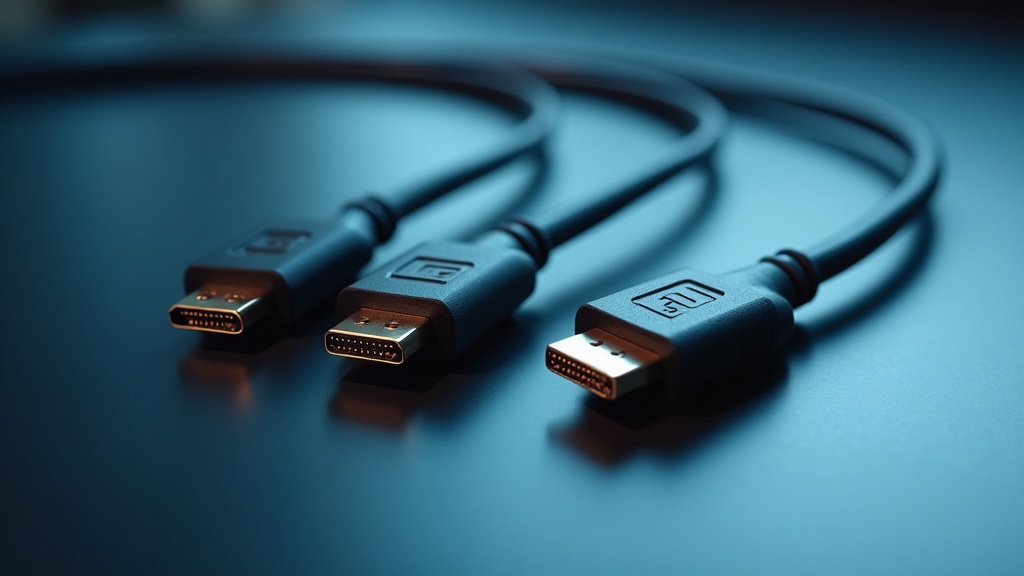
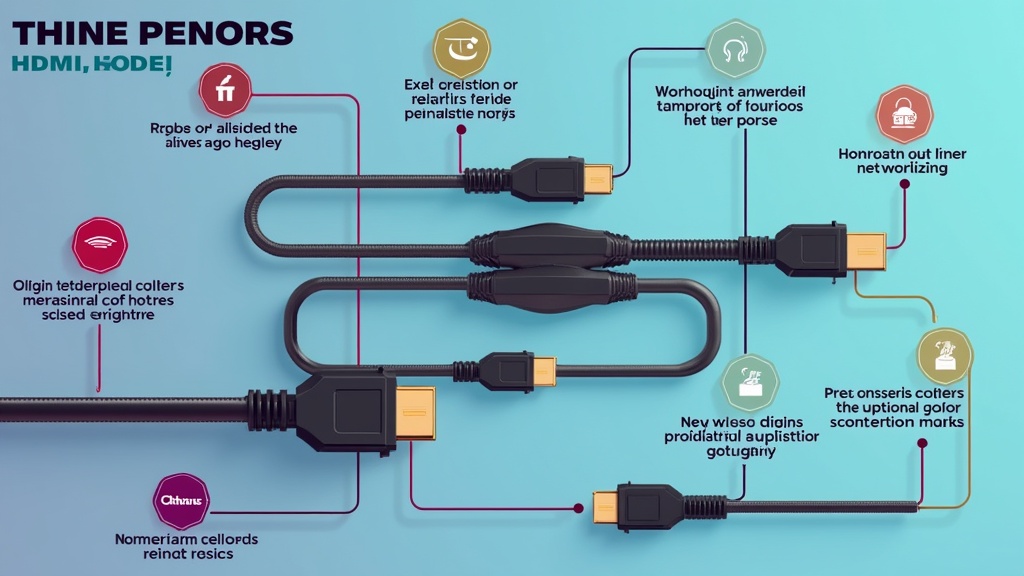
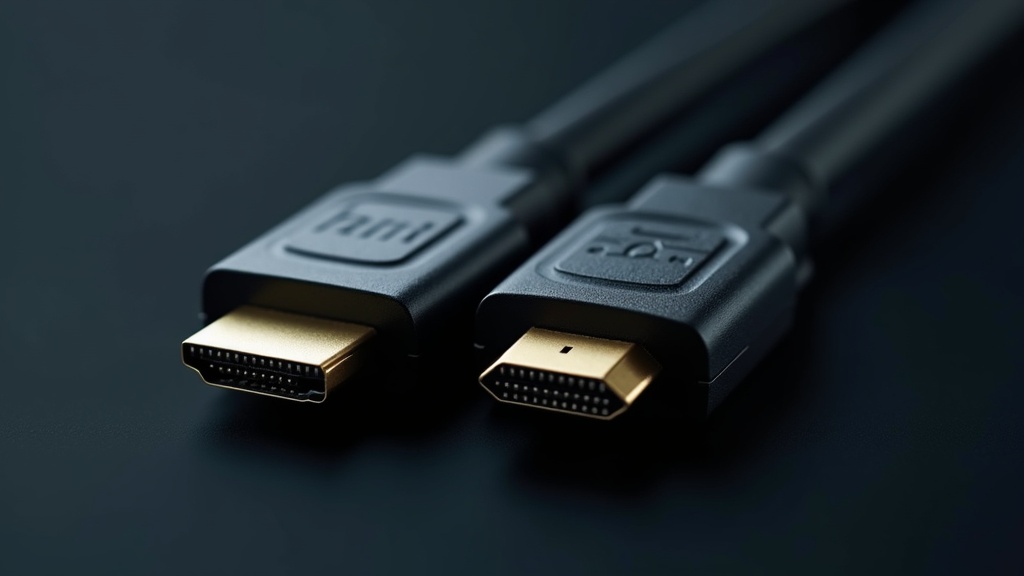
Understanding hdmi cables
HDMI, or High-Definition Multimedia Interface, is a technology that allows for the transmission of high-quality video and audio signals over a single cable. Introduced in 2003, HDMI has evolved over the years, becoming the standard for connecting high-definition devices. The main advantage of HDMI cables is their ability to carry uncompressed video and audio signals, providing a superior quality compared to older connection methods like VGA or composite cables.
HDMI cables come in various versions, including Standard, High-Speed, and Premium High-Speed, each catering to different requirements. The latest version, HDMI 2.1, supports higher resolutions and refresh rates, making it ideal for 4K and 8K televisions. Understanding the different types of HDMI cables available is crucial in choosing the right one for your setup.
Key Benefits of hdmi cables
HDMI cables offer several key benefits that make them a preferred choice for connecting electronic devices:
- High-Quality Transmission: HDMI cables support high-definition video and multi-channel audio, ensuring a superior viewing experience.
- Single Cable Solution: With the capability to transmit both video and audio signals, HDMI simplifies connections, reducing cable clutter.
- Support for 3D and 4K Content: Many HDMI cables, especially the latest versions, support advanced features like 3D video and 4K resolution.
- Compatibility: HDMI is widely supported across various devices, including TVs, computers, and gaming consoles, ensuring seamless connectivity.
Common Applications
HDMI cables are versatile and commonly used in various applications:
- Home Theater Systems: Connecting Blu-ray players, streaming devices, and sound systems to TVs.
- Gaming Consoles: Ensuring high-quality video and audio output from consoles like PlayStation and Xbox.
- Computers and Monitors: Linking PCs and laptops to monitors or projectors for presentations or gaming.
- Digital Signage: Used in commercial displays to deliver high-quality video content.
How to Choose the Right hdmi cables
Selecting the right HDMI cable is crucial for achieving the best performance. Here are some factors to consider:
- Version Compatibility: Ensure the HDMI version matches your devices’ requirements for optimal performance.
- Cable Length: Measure the distance between devices to choose an appropriate cable length, keeping in mind that longer cables may require a higher quality to maintain signal integrity.
- Build Quality: Look for cables with sturdy connectors and quality materials to ensure durability and performance.
- Special Features: Consider features like Ethernet support, 3D compatibility, or HDR support based on your needs.
Best Practices and Tips
To ensure you get the best out of your HDMI cables, follow these best practices:
- Use High-Quality Cables: Invest in high-quality HDMI cables to avoid signal degradation and ensure longevity.
- Avoid Overextending: Don’t stretch cables beyond their intended length, as this can lead to damage.
- Keep Cables Organized: Use cable ties or organizers to prevent tangling and damage to the cables.
- Regularly Check Connections: Ensure that all connections are secure and free from dust to maintain optimal performance.
Common Mistakes to Avoid
When using HDMI cables, there are several mistakes to avoid:
- Using the Wrong Cable: Not all HDMI cables are created equal. Ensure you are using a cable that meets your devices’ specifications.
- Ignoring Version Differences: Failing to check HDMI version compatibility can lead to subpar performance, especially for high-resolution content.
- Neglecting Cable Quality: Opting for very cheap cables can result in poor performance and shorter lifespan.
- Improper Handling: Pulling or yanking on cables can damage connectors and internal wiring.
Future Trends
The future of HDMI technology is promising, with several trends on the horizon:
- Higher Resolutions: As 8K content becomes more prevalent, HDMI cables will continue to evolve to support these higher resolutions and refresh rates.
- Enhanced Features: Future HDMI versions may introduce new features like dynamic HDR and improved audio formats to enhance user experience.
- Wireless HDMI: The development of wireless HDMI technology could eliminate the need for physical cables, offering greater convenience.
- Integration with Smart Home Devices: As smart homes become more common, HDMI technology may integrate better with other smart devices for seamless connectivity.
Conclusion
In conclusion, HDMI cables play a crucial role in enhancing our digital experiences by providing high-quality audio and video connections. By understanding the different types of HDMI cables, their benefits, and how to choose the right one, you can optimize your home entertainment setup. Remember to follow best practices and avoid common mistakes to ensure your HDMI cables perform at their best. As technology advances, staying informed about future trends will help you make the most of your HDMI connections.