Comprehensive Guide to USB C Cables: Understanding, Benefits, and Future Trends
Comprehensive Guide to USB C Cables: Understanding, Benefits, and Future Trends
Introduction
USB C cables have revolutionized the way we connect our devices, offering enhanced functionality and convenience. As a universal standard, USB C cables are designed to streamline the connectivity experience across various electronic devices, from smartphones to laptops. In this article, we will explore the intricacies of USB C cables, their key benefits, common applications, and how to choose the right one for your needs. Additionally, we will share best practices, common mistakes to avoid, and future trends to keep an eye on. Whether you’re a tech enthusiast or a casual user, understanding USB C cables is essential in today’s digital age.
Understanding USB C Cables
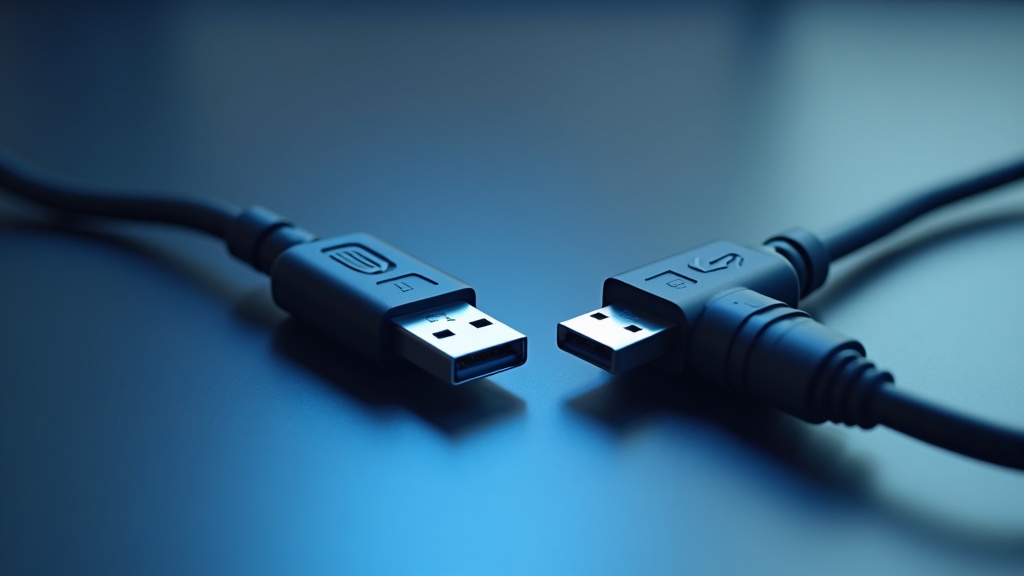
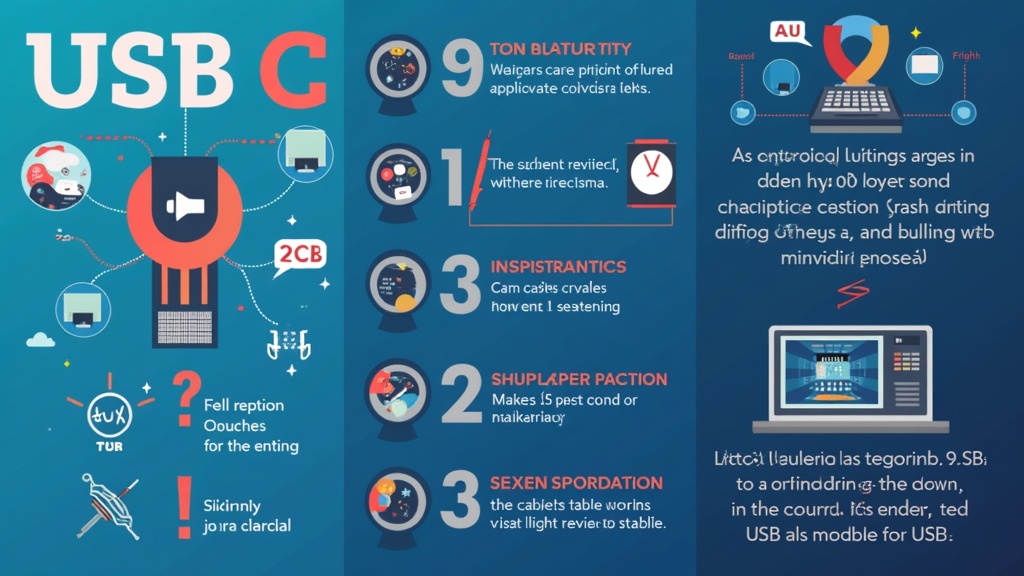
USB C, or Universal Serial Bus Type-C, is a 24-pin connector system that allows for data transfer and power delivery between devices. Unlike its predecessors, such as USB A and USB B, the USB C connector is symmetrical, meaning it can be inserted either way, eliminating the frustration of misalignment. This modern design supports a variety of protocols, including Thunderbolt 3 and DisplayPort, making it a versatile choice for multiple functions. USB C cables can handle different types of data transmission, including high-definition video and audio, making them ideal for everything from charging smartphones to connecting monitors.
Key Benefits of USB C Cables
USB C cables come with several advantages that enhance user experience and device compatibility. Here are some key benefits:
- High-Speed Data Transfer: USB C cables can support data transfer speeds of up to 10 Gbps, allowing users to transfer large files quickly.
- Power Delivery: They can deliver up to 100 watts of power, enabling fast charging for laptops, smartphones, and other devices.
- Versatility: USB C cables are compatible with a wide range of devices, including laptops, tablets, smartphones, and gaming consoles.
- Future-Proofing: As technology evolves, USB C is becoming the standard for many devices, ensuring longevity in usage.
Common Applications
USB C cables are used in a variety of applications across different devices. Some common uses include:
- Charging: Ideal for quickly charging smartphones, tablets, and laptops.
- Data Transfer: Used for transferring files between devices, including backups and media sharing.
- Video Output: Can connect to external monitors or projectors for presentations or gaming.
- Peripheral Connectivity: Used to connect accessories like keyboards, mice, and external storage devices.
How to Choose the Right USB C Cables
Selecting the right USB C cable can significantly impact your device’s performance. Here are some factors to consider:
- Data Transfer Speed: Choose a cable that supports the data transfer speed you need. For high-speed requirements, look for cables that support USB 3.1 or Thunderbolt 3.
- Power Delivery: Ensure the cable can deliver adequate power for your devices, especially if you’re charging laptops or high-capacity devices.
- Length: Consider the length of the cable based on your usage. Longer cables provide flexibility but may reduce data transfer speed.
- Build Quality: Look for cables with durable materials and reinforced connectors to withstand daily wear and tear.
Best Practices and Tips
To maximize the longevity and performance of your USB C cables, follow these best practices:
- Regularly Inspect Cables: Check for any signs of wear or damage to avoid connectivity issues.
- Avoid Overheating: Do not cover cables while charging to prevent overheating, which can damage both the cable and the device.
- Use Compatible Accessories: Ensure that any adapters or hubs you use are USB C compliant to maintain optimal performance.
- Store Properly: When not in use, store cables in a cool, dry place to prevent damage from humidity and heat.
Common Mistakes to Avoid
When using USB C cables, users often make mistakes that can lead to poor performance or damage. Here are some common pitfalls to avoid:
- Using Incompatible Cables: Avoid using cables not specifically designed for your device, as they may not support required features.
- Neglecting Specifications: Always check the specifications of the cable regarding data transfer rates and power delivery before purchasing.
- Ignoring Brand Reputation: Invest in cables from reputable brands to ensure quality and reliability.
- Leaving Cables Tensioned: Do not pull or stretch cables while connected, as this can damage the connectors.
Future Trends
The future of USB C cables looks promising, with several trends emerging in the technology landscape:
- Increased Adoption: More devices, including smartphones, laptops, and peripherals, are transitioning to USB C, making it the standard connector for future technologies.
- Enhanced Power Delivery: Future iterations may support even higher power delivery, enabling faster charging for larger devices.
- Improved Data Transfer Rates: The development of USB 4.0 will significantly increase data transfer speeds, further enhancing usability.
- Universal Compatibility: As manufacturers move towards standardization, USB C will become compatible with an even broader range of devices, simplifying connectivity.
Conclusion
USB C cables have become an integral part of our digital lives, offering numerous advantages, from high-speed data transfer to versatile applications. Understanding how to choose the right USB C cable and following best practices can significantly enhance your user experience. As we look toward the future, the continued evolution of USB C technology promises to further streamline our connectivity needs. To learn more about optimizing your digital strategies, consider exploring seo technologies and seo webpages. For additional insights on digital marketing, visit you seo.