Usb C Cables – A Comprehensive Guide
Usb C Cables – A Comprehensive Guide
Introduction
In the ever-evolving landscape of technology, USB C cables have emerged as a game changer, providing unparalleled versatility and efficiency in data transfer and charging. This comprehensive guide explores the nuances of USB C cables, from their design features to their applications across various devices. With the increasing adoption of USB C ports in smartphones, laptops, and other gadgets, understanding these cables is crucial for anyone looking to enhance their tech experience. Whether you are a tech enthusiast or a casual user, this article aims to equip you with the knowledge needed to make informed decisions about USB C cables.
Understanding usb c cables
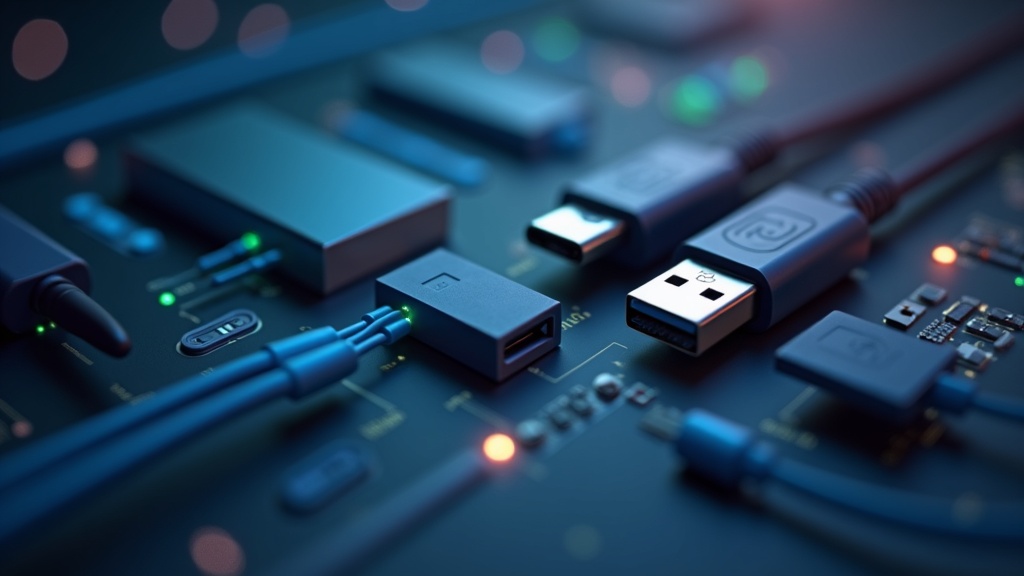
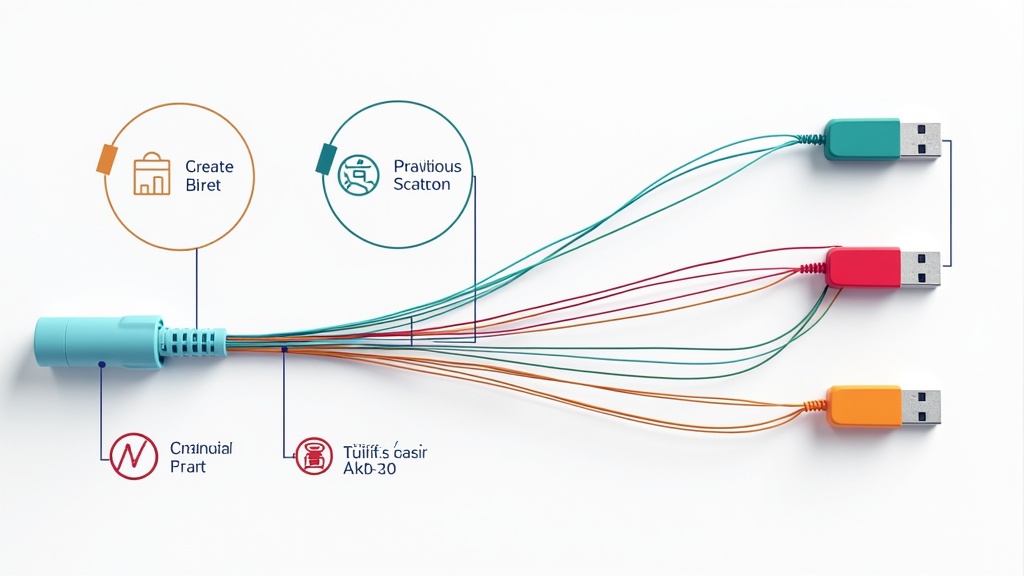
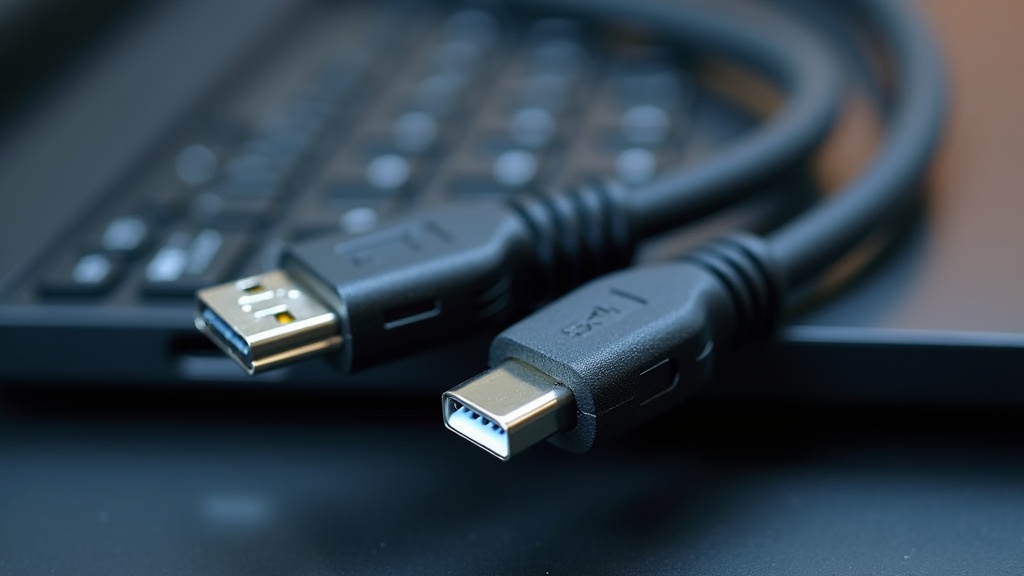
USB C, or Universal Serial Bus Type-C, is a connector standard that has gained popularity due to its reversible design and ability to deliver high power and speed. Unlike its predecessors, USB C cables can transmit data at rates up to 10 Gbps, thanks to the USB 3.1 standard. They also support various protocols including HDMI, DisplayPort, and Thunderbolt, making them incredibly versatile.
One of the key features of USB C cables is their power delivery capabilities. They can deliver up to 100 watts of power, allowing for faster charging of devices. This has made USB C the preferred choice for many manufacturers, leading to a rapid shift from older USB standards.
Key Benefits of usb c cables
USB C cables offer a range of benefits that make them an attractive option for consumers and manufacturers alike. Here are some of the key advantages:
- Reversible Design: Unlike previous USB connectors, USB C cables can be plugged in either way, eliminating the hassle of orientation.
- High Data Transfer Speeds: With speeds of up to 10 Gbps, USB C cables facilitate quick file transfers.
- Power Delivery: USB C supports faster charging, enabling devices to charge more quickly and efficiently.
- Versatility: USB C cables can connect a wide range of devices, including laptops, smartphones, tablets, and peripherals.
Common Applications
USB C cables are increasingly being used across various applications, thanks to their versatility. Some common uses include:
- Charging Devices: USB C is the standard for charging many modern smartphones and laptops.
- Data Transfer: They are widely used for transferring files between devices quickly and efficiently.
- Connecting Peripherals: USB C cables can connect various peripherals such as mice, keyboards, and external hard drives.
- Video Output: Many USB C cables support video output, allowing users to connect their devices to monitors and TVs.
How to Choose the Right usb c cables
Choosing the right USB C cable can be daunting given the variety of options available. Here are some tips to help you make the right choice:
- Check the Specifications: Look for cables that support USB 3.1 or higher for optimal performance.
- Consider Length: Depending on your setup, choose a cable length that meets your needs, whether it’s short for portability or long for flexibility.
- Look for Power Delivery: If you need to charge devices, ensure the cable supports USB Power Delivery (PD) for faster charging.
- Brand Reputation: Opt for cables from reputable brands to ensure quality and reliability.
Best Practices and Tips
To maximize the performance and lifespan of your USB C cables, consider the following best practices:
- Use Compatible Chargers: Always use chargers that are compatible with your devices to avoid potential damage.
- Avoid Excessive Bending: Take care not to bend the cables excessively, as this can lead to damage over time.
- Store Properly: When not in use, store cables in a way that prevents tangling and stress on the connectors.
- Regularly Inspect Cables: Check for any signs of wear and tear, and replace damaged cables promptly.
Common Mistakes to Avoid
While using USB C cables, there are common pitfalls to avoid:
- Ignoring Compatibility: Not all USB C cables are created equal; ensure the cable is compatible with your devices.
- Overlooking Data Transfer Rates: Some cables are designed for charging only; check the specifications for data transfer capabilities.
- Using Cheap Knockoffs: Low-quality cables can be unreliable and may damage your devices; always opt for reputable brands.
- Neglecting Firmware Updates: Some devices may require updates to ensure optimal performance with USB C; keep your devices updated.
Future Trends
The future of USB C cables looks promising, with several trends shaping their evolution:
- Wider Adoption: As more devices adopt USB C, we can expect a unified charging standard across various platforms.
- Enhanced Speed: Future versions are likely to support even higher data transfer rates, improving performance for professionals and gamers alike.
- Sustainability: Manufacturers are increasingly focusing on creating eco-friendly cables, promoting sustainability in tech.
- Integration with Emerging Technologies: USB C may integrate with emerging technologies such as augmented reality and virtual reality, expanding its applications.
Conclusion
USB C cables represent a significant advancement in technology, providing users with unparalleled flexibility and efficiency. Understanding their features, benefits, and applications can help you make informed decisions when selecting cables for your devices. As we move towards a more connected future, staying abreast of trends in USB C technology will ensure you’re equipped to handle the demands of modern devices. For more information on enhancing your online presence, explore seo technologies and seo webpages. Additionally, consider checking out you seo for tips on SEO strategies.