Usb-C Cables – A Comprehensive Guide
Usb-C Cables – A Comprehensive Guide
Introduction
In today’s fast-paced technological world, USB-C cables have emerged as a revolutionary connector type that is rapidly becoming the standard for data transfer and charging. Their versatility, speed, and user-friendly design make them essential for a wide range of devices, from smartphones to laptops. This comprehensive guide will delve into the intricacies of USB-C cables, exploring their features, benefits, and applications. Whether you are a tech enthusiast or a casual user, understanding USB-C cables will help you make informed decisions when it comes to your devices and accessories.
Understanding usb-c cables
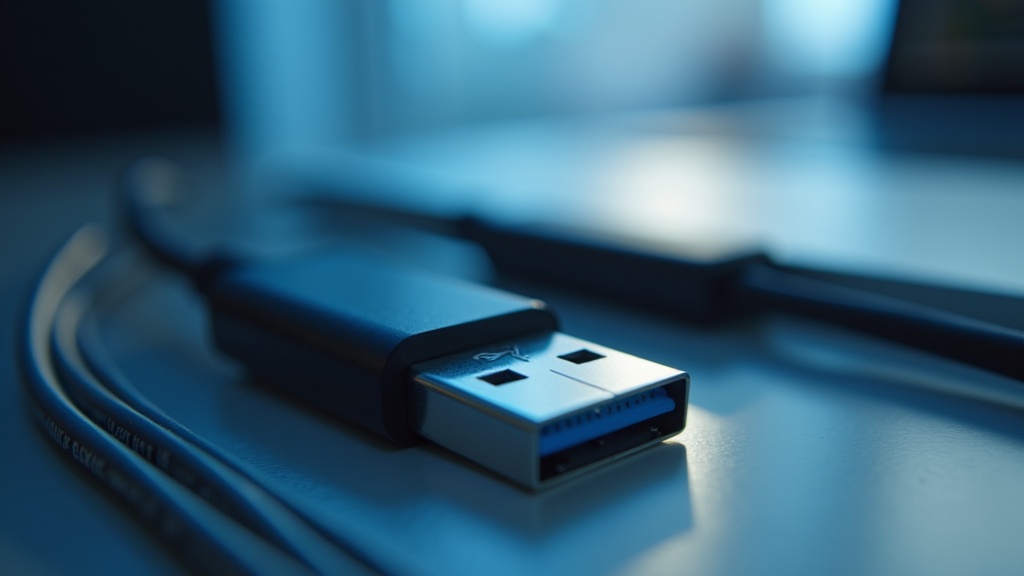
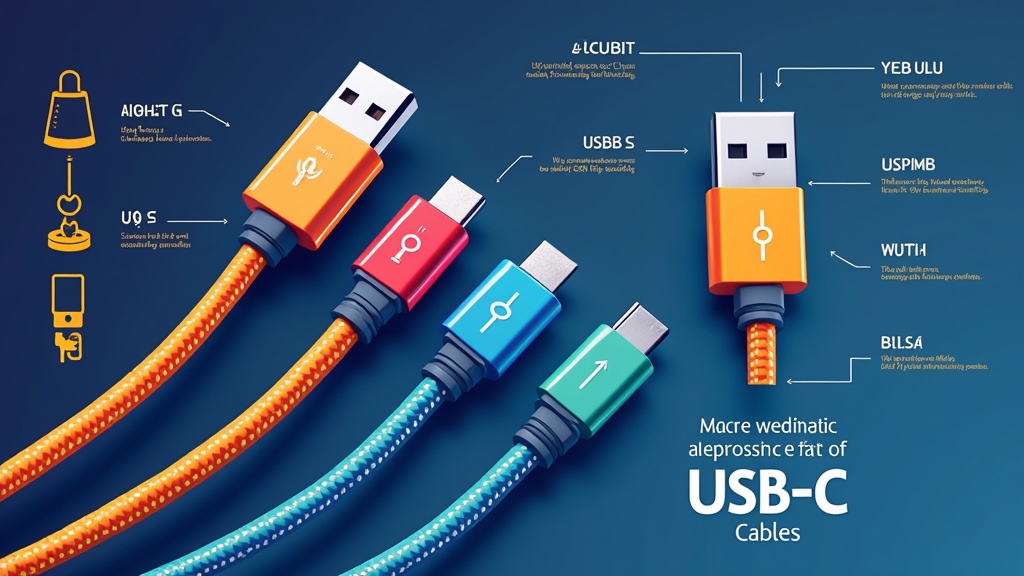
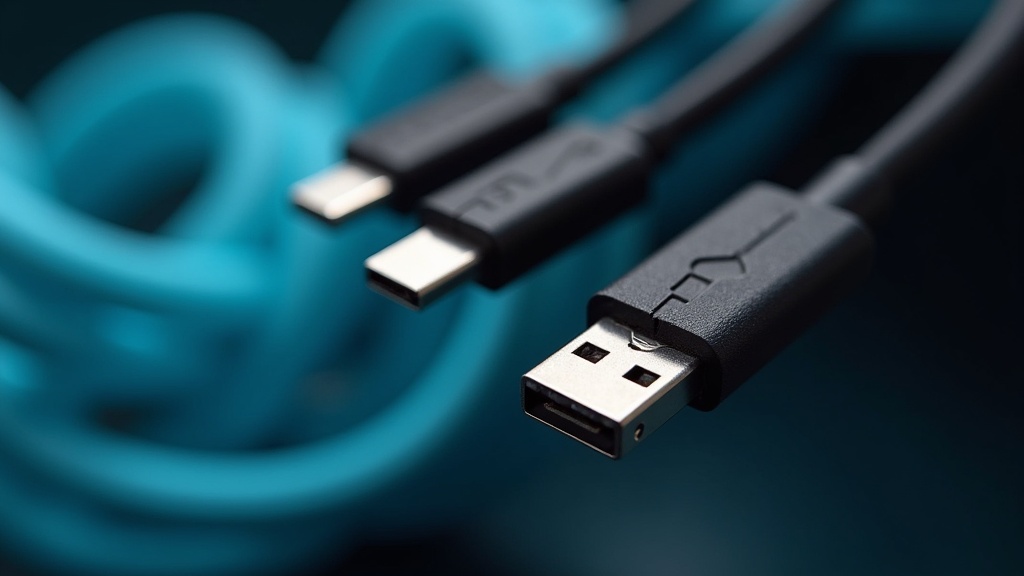
USB-C, or Universal Serial Bus Type-C, is a 24-pin connector system that offers a reversible design, meaning it can be plugged in either way. This innovation resolves one of the common frustrations with previous USB connectors. The USB-C standard supports a variety of protocols, allowing it to transmit data, power, and video through a single cable. With its compact size, USB-C is not only found on laptops and smartphones but also on tablets, monitors, and even some gaming consoles.
The USB-C specification has evolved rapidly, leading to different versions with varying capabilities. Understanding these versions and their specifications is crucial for selecting the right cable for your needs. For instance, USB 3.1 supports data transfer speeds of up to 10 Gbps, while USB 4 can reach speeds of up to 40 Gbps. This versatility makes USB-C a go-to choice for both consumers and manufacturers alike.
Key Benefits of usb-c cables
USB-C cables offer numerous advantages that set them apart from their predecessors. Here are some of the key benefits:
- Reversible Design: The ability to plug in the connector in either orientation eliminates the hassle associated with traditional USB connectors.
- High-Speed Data Transfer: Depending on the version, USB-C can support data transfer speeds that are significantly faster than older USB types.
- Power Delivery: USB-C supports power delivery capabilities, allowing devices to be charged quickly and efficiently.
- Versatility: A single USB-C cable can handle data transfer, video output, and power, reducing the need for multiple cables.
These benefits contribute to the growing popularity of USB-C cables, making them a preferred choice for modern technology users.
Common Applications
USB-C cables are incredibly versatile and are used across a wide range of devices and applications. Here are some common uses:
- Smartphones: Most recent smartphones now come equipped with USB-C ports, allowing for fast charging and data transfer.
- Laptops: Many new laptops, especially those from major brands, utilize USB-C for charging and connectivity, streamlining the design.
- Monitors and Displays: USB-C can transmit video signals, making it a popular choice for connecting to external monitors.
- Accessories: From headphones to external hard drives, USB-C has become the go-to connection type for many accessories.
As technology continues to advance, the applications of USB-C cables are expected to expand even further.
How to Choose the Right usb-c cables
Selecting the right USB-C cable can be tricky due to the variety of options available. Here are some factors to consider:
- Data Transfer Speed: Determine the speed you require based on your usage. If you transfer large files frequently, opt for USB 3.1 or higher.
- Power Delivery: Ensure the cable supports the power delivery capabilities needed for your devices. Higher wattage cables are essential for laptops.
- Length: Consider the length of the cable based on your setup. Longer cables may be convenient but can sometimes affect performance.
- Build Quality: Look for cables with robust connectors and durable materials to withstand daily wear and tear.
By considering these factors, you can choose a USB-C cable that meets your specific needs.
Best Practices and Tips
To maximize the performance and lifespan of your USB-C cables, follow these best practices:
- Use Certified Cables: Always opt for cables that are certified by the USB Implementers Forum (USB-IF) to ensure compatibility and safety.
- Avoid Overstretching: Be cautious not to pull or stretch the cable too much, as this can cause internal damage.
- Keep It Clean: Regularly inspect and clean the connectors to prevent dust accumulation that can hinder performance.
- Store Properly: When not in use, store your cables in a way that prevents tangling and damage.
Implementing these practices will help you maintain the functionality and longevity of your USB-C cables.
Common Mistakes to Avoid
While using USB-C cables, there are several common pitfalls that users should avoid:
- Using Incompatible Cables: Not all USB-C cables support the same features. Always check compatibility with your devices.
- Neglecting Power Ratings: Using a cable with insufficient power ratings can lead to slow charging or even damage to your device.
- Ignoring Data Transfer Needs: Choosing a cable without considering your data transfer needs can slow down your workflow, especially for large files.
- Overlooking Warranty: Always check if the cable comes with a warranty, as this can be an indicator of quality.
Being aware of these mistakes can save you time, money, and frustration in the long run.
Future Trends
The landscape of USB-C technology is constantly evolving, leading to exciting trends that are shaping its future:
- Increased Adoption: As more manufacturers adopt USB-C as the standard, expect to see it in an even wider range of devices.
- Enhanced Features: Future iterations may include faster data transfer speeds, improved power delivery, and additional functionalities like support for 8K video.
- Eco-Friendly Options: As sustainability becomes a focus, manufacturers may start producing cables with recycled materials and more eco-friendly packaging.
- Integration with Other Technologies: USB-C may integrate more with emerging technologies such as Thunderbolt 4, further enhancing its capabilities.
These trends indicate a bright future for USB-C technology, making it a critical component of modern electronics.
Conclusion
In conclusion, USB-C cables represent a significant advancement in technology, offering versatility, speed, and convenience. Understanding their features and applications will empower you to make informed decisions when choosing the right cables for your devices. As the market continues to evolve, staying updated on USB-C trends and best practices will ensure you maximize the benefits of this innovative technology. For more information on enhancing your tech experience, consider exploring seo technologies and seo webpages. Embrace the future of connectivity with USB-C cables and enjoy seamless interactions across your devices.